
Is Collaboration a Lost Art? How to Break the Solo Producer Cycle
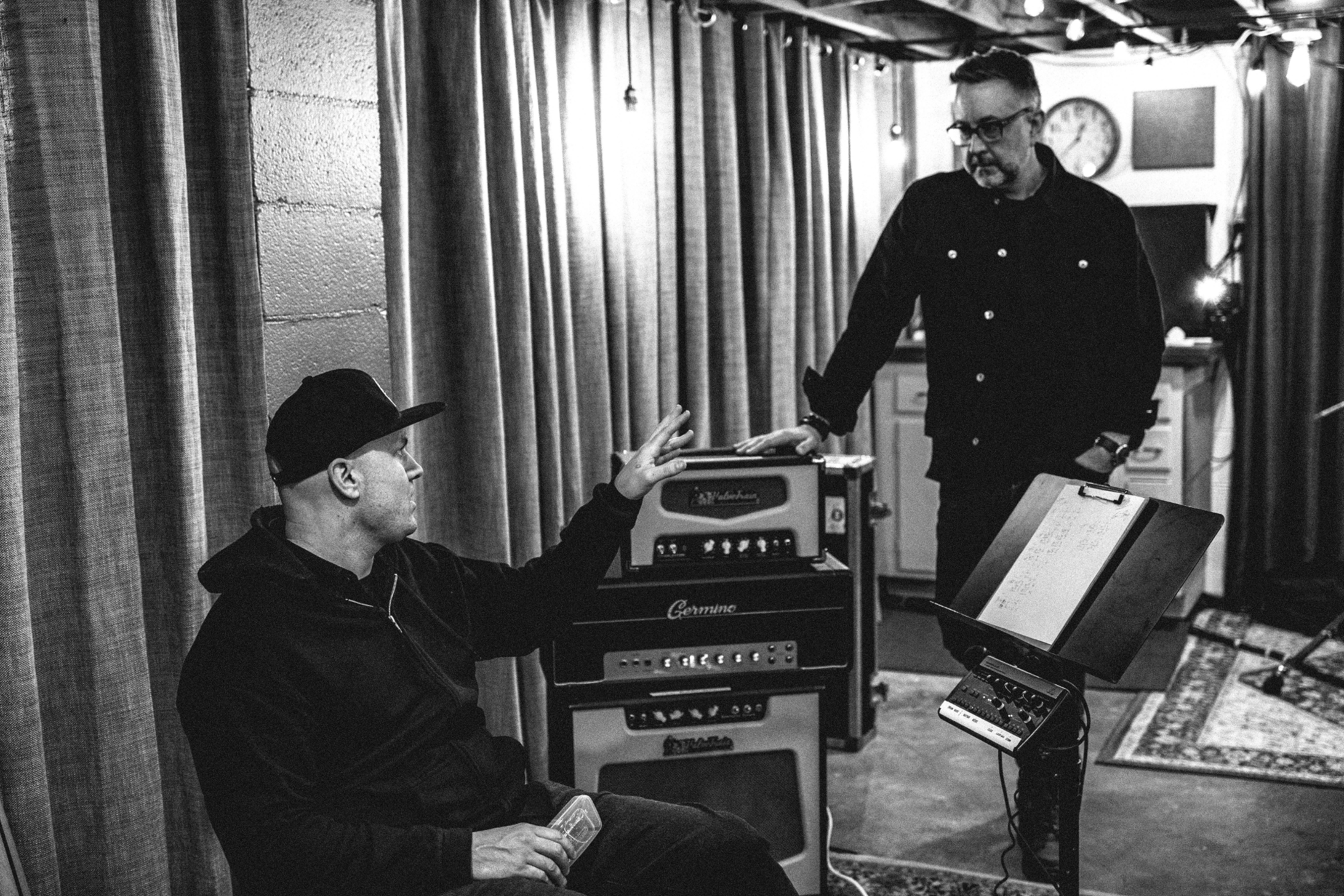
In the modern era of home rigs, laptops, and minimal audio interfaces, making music has become a largely solitary pursuit. Some of us started out in traditional studio environments where collaboration was the way to build records. Today, however, it’s easy to find ourselves working on an isolated island. We handle tracking, editing, and mixing entirely on our own.
While home studios give us total control (recording, mixing, mastering), stepping outside of our own heads is often the key to unlocking a project's true potential. Recently, we talked about why collaboration matters, how to handle feedback without ego, and why bringing a fresh set of ears into your workflow changes everything.
Getting Out of Your Own Head
When you spend hours staring at the same waveforms or tweaking a kick drum, your perspective gets warped. You develop creative blind spots—areas where your brain stops noticing problems because it has become desensitized to the repetitive stimuli. This phenomenon is known as "ear fatigue," and it significantly degrades the quality of your critical listening skills.
“It’s just a good way to get out of your head and move forward... You find out that maybe the ideas in your head aren't so silly and you're not the only one with those ideas.”
One of the greatest benefits of collaboration is realizing you aren't alone in your creative dilemmas. When you finally voice a risky idea out loud to a collaborator, they might lean into it and turn it into the defining element of the track. On the other hand, an idea you thought was brilliant might fall flat. Having someone brave enough to tell you the truth then saves the song.
Why Fresh Perspectives Matter More Than Ever
Creators often feel the urge to justify their work before hitting play. They engage in defensive pre-mixing:
- "Hey, before you listen, I know the kick drum is a little boomy..."
- "I worked on these vocals for four hours..."
The truth? Nobody cares about the setup; they just want to hear the song. Experienced collaborators eventually learn to stop the spiel and listen to the mix without bias. Letting the music speak for itself is always the best policy.
This is why constructive feedback is essential. Constructive feedback is defined as specific, actionable criticism focused on improving the work rather than criticizing the creator. It acts as a mirror, reflecting the reality of the track back to the producer without the emotional distortion of creation.
What Makes a Good Note when giving feedback (and What Makes a Bad One)
Communication is the foundation of any good collaboration, but knowing how to critique a project is an art form in itself. The difference between a helpful note and a frustrating directive can be in the delivery.
- The Bad Note: Telling a creator how to fix a technical problem (e.g., "Put a dynamic EQ on the snare at 1kHz and push the compressor harder"). Unless your collaborator is sitting right next to you watching your moves, technical directives can feel restrictive and frustrating.
- The Good Note: Describing how a section makes you feel (e.g., "When the chorus hits, I feel a little disappointed" or "The snare feels like it's competing with the vocal more than I want").
Great notes point out the destination and let the artist or engineer figure out the best way to get there. It comes down to trust. We have experienced that sometimes the higher you go in professional profiles, the more you realize that experienced creators don't micromanage. They trust their collaborators to do what they do best.
Maybe Stop Trying to Be the Best at Everything
As audio professionals and musicians, our egos often tell us we need to do it all: play every instrument, mix every track, and master the final product to keep every dollar in-house.
However, growth often happens the moment you let go of that control and bring in specialists. Now whether that's a dedicated mixing engineer, an analog synth wizard, or a seasoned mastering engineer like Dan Millis to provide that final quality control perspective. Leaning on a community of trusted specialists doesn't diminish your work; it elevates it.
Ways to Start Collaborating Today
If you've been living on a solo island for too long, here are a few simple ways to bring collaboration back into your workflow:
- Offer a Free Swap: Reach out to a fellow creator or an artist you admire and offer to mix or master a track for them with zero pressure. You might just kickstart your next long-lasting professional relationship.
- Trade Skills: Find someone here in the GainStage community who excels at something you don't (like synth programming or live instrumentation) and propose a trade.
- Embrace the Second Set of Ears: Before sending a project off to a client, find a trusted peer to give it a quick spin. Be open to their notes, leave your ego at the door, and let fresh perspectives make your music better.
Collaborate + Communicate + Community = GainStage

0 comments